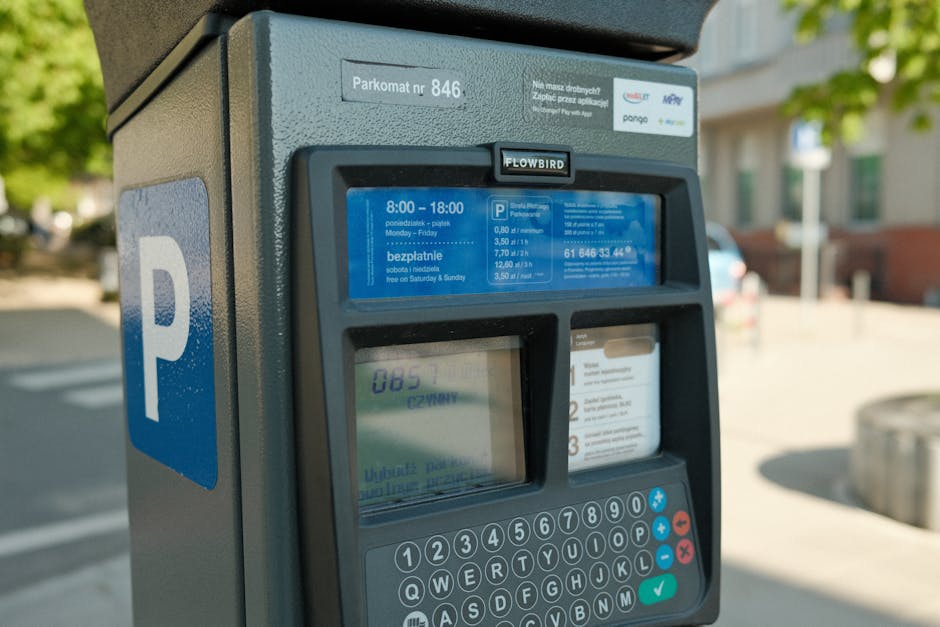
W11 Parking Suspension Rules for Removals in Holland Park
Trying to move house in Holland Park and wondering how the W11 parking suspension rules for removals in Holland Park actually work? You are not alone. It is one of those topics that sounds simple until you are standing outside with a van, a sofa, and a neighbour who is already eyeing the space you need. In a busy part of West London, parking can make or break moving day. Get it right, and the load-in feels calm and efficient. Get it wrong, and you end up burning time, money, and patience.
This guide explains the practical side of parking suspensions for removals in W11: why they matter, how they are usually arranged, what can go wrong, and how to plan a smooth move without last-minute chaos. It also covers the everyday decisions that people often overlook, from van size to access planning, because in real life the parking plan is never just about a bay sign.
- Why W11 parking suspension rules for removals in Holland Park matters
- How W11 parking suspension rules for removals in Holland Park works
- Key benefits and practical advantages
- Who this is for and when it makes sense
- Step-by-step guidance
- Expert tips for better results
- Common mistakes to avoid
- Tools, resources and recommendations
- Law, compliance, standards, or best practice
- Options, methods, or comparison table
- Case study or real-world example
- Practical checklist
- Conclusion
- Frequently asked questions
Why W11 parking suspension rules for removals in Holland Park Matters
Parking is not a minor detail in a removal. It is the difference between a clean, one-trip unload and a day of circling the block, waiting for a space, and carrying boxes farther than anyone planned. In Holland Park, that matters even more because local streets can be tight, busy, and heavily used by residents, trades, visitors, and delivery vehicles.
A parking suspension is usually the mechanism that temporarily reserves a section of road or bay for a specific purpose, such as a moving van, removals lorry, or access for works. For a home move, it can create the space needed to park close to the property, keep the move safe, and reduce disruption to pedestrians and other road users.
Truth be told, removals rarely go exactly to plan. A parking suspension helps reduce one of the biggest unknowns. Without it, the crew may have to park further away, trolley items over a longer distance, or delay the move while the driver searches for a lawful stopping place. That is not ideal when you have a narrow stairwell, a time slot with building access, and a fridge that really does not want another lift.
There is also a neighbourly side to it. In an area like W11, a well-organised suspension can prevent your move from spilling into someone else's space or turning the pavement into a bottleneck. That tends to matter more than people expect.
If your move involves a larger vehicle or a busy street, it is often worth aligning the parking plan with the rest of the move, including home moves, flat removals, or even a more tailored man and van approach depending on access and volume.
How W11 parking suspension rules for removals in Holland Park Works
At a practical level, a parking suspension is a temporary arrangement that stops normal parking in a marked area for a set period. For removals, the aim is to secure enough space for the vehicle to park legally near the property so loading and unloading can happen safely and efficiently.
Exact procedures can vary by street and by the relevant local authority process, so it is always wise to treat the details carefully rather than assume. The broad pattern, though, is fairly consistent: you identify the date, location, vehicle needs, and any access constraints; then you arrange the suspension in advance; and finally you display any required notices or confirmation on the day.
In practice, there are a few moving parts:
- Location: the road, bay, or frontage area needed for the vehicle.
- Time window: the hours during which the space is needed.
- Vehicle size: a small van, medium removal van, or larger truck.
- Access conditions: road width, turn-in space, height restrictions, and loading distance.
- Enforcement: whether the suspended space needs clear signage and proof that it has been booked correctly.
One important nuance: a parking suspension does not magically remove all access issues. If a street is already congested, if there are narrow corners, or if there is a gated entrance with limited turnaround, you still need a proper moving plan. A suspension gives you space; it does not do the packing for you. Sadly.
That is where a service like removal services can help, especially if the move needs planning around a specific bay, timed access, or a larger vehicle. If the move is business-related, commercial moves often need even tighter coordination because the building, staff, and loading schedule all have to line up.
Key Benefits and Practical Advantages
There are several good reasons to sort out parking suspension rules early rather than leaving them to the last minute.
1. You reduce delays on moving day
The most obvious benefit is time. When the van can stop close to the property, the team can load and unload faster. That matters especially if you are paying by the hour, or if building access is limited to a narrow slot in the morning.
2. You lower the risk of double-handling
Double-handling means carrying items from a distant parking spot to the property, and then again from the property to the vehicle. It is tiring, it increases the chance of damage, and it can turn a tidy move into a bit of a slog.
3. You improve safety
Shorter carrying distances and a proper vehicle position make it easier to move heavier furniture safely. If you are shifting awkward items such as wardrobes, mirrors, or a piano, every extra metre counts. A planned parking suspension can support safer handling, especially when paired with the right crew and equipment. For sensitive or heavy items, it is often worth looking at furniture removals or piano removals.
4. You make the move less stressful
This is one people underestimate. If the vehicle has a reserved space, you are not spending the day refreshing your nerves every time a car pulls into the road. It is calmer. More predictable. A bit more civilised, which, let's face it, is what you want when you are already juggling keys, boxes, and receipts.
5. You support better neighbour relations
A tidy, planned move is less disruptive to residents, pedestrians, and building staff. In busy West London streets, that matters. People notice when a move is organised; they also notice when it is not.
Expert summary: In W11, the strongest removal plans are usually the simplest ones: book the right parking space early, match the vehicle to the access, and make sure your removal team knows exactly where they are parking before the van arrives.
Who This Is For and When It Makes Sense
Parking suspension rules are relevant to more people than you might think. They are not only for huge houses with multiple lorries outside. In Holland Park, a modest flat move can still need one if the road is busy or the access is awkward.
You probably need to think about a suspension if:
- you are moving from a terraced street, mansion block, or tight mews-style access;
- your removal van must stop directly outside or very close to the property;
- your street has limited legal stopping space;
- you are moving bulky furniture, antiques, or fragile items;
- you have a short building access slot or lift booking;
- you are using a larger vehicle rather than a small van;
- you need the move to be completed in one efficient visit.
If you live in a flat, the access challenge is often the lift, stairs, loading area, and street parking all at once. That is why flat removals and student removals sometimes need just as much planning as full house moves, even if the total volume seems smaller.
If you are a landlord or letting agent arranging a move-out, the parking question also matters. An orderly handover can be the difference between a smooth inventory day and a surprise flurry of complaints.
Step-by-Step Guidance
Here is a straightforward way to handle the parking side of a removal in W11 without making it more complicated than it needs to be.
- Assess the property access. Check whether the vehicle can safely stop near the entrance, whether there are width restrictions, and whether a larger van would be overkill.
- Estimate the move volume. A small flat with light furniture may only need a van, while a family house or office relocation may require something bigger. If in doubt, overestimating slightly is usually safer than underestimating.
- Decide whether a suspension is necessary. If the road is quiet and legal stopping is realistic, you may not need one. If there is any doubt, plan for it.
- Book the suspension in advance. Do not leave this until the week of the move. In busy London areas, good timing matters. A small delay here can create a domino effect.
- Confirm the vehicle and schedule. Make sure the removal crew knows exactly where to park, what time to arrive, and how long the loading should take.
- Prepare the property. Clear hallways, label boxes, and make sure bulky items are easy to reach. Parking is only half the battle.
- Check the day-before details. Reconfirm the booking, vehicle size, building access, and any instructions from the property manager or concierge.
- Have a backup plan. If the booked space is blocked unexpectedly, know what the driver should do next. A calm fallback option can save the day.
If you are also sorting packing, a little structure helps. Services like packing and boxes or packing and unpacking services can remove a lot of last-minute pressure, and that in turn makes the parking window more efficient. Funny how everything in removals seems to be connected, isn't it?
Expert Tips for Better Results
These are the details that tend to separate a manageable move from a slightly fraught one.
Match the vehicle to the street, not just to the load
A bigger truck is not always better. In a narrow W11 street, a slightly smaller vehicle may be easier to position, safer to unload from, and less likely to cause complications. If the route is tight, explore options such as removal van or man with van style support rather than assuming a heavy vehicle is the answer.
Use the quiet part of the day if you can
Early starts often work better than mid-morning in London. Streets are a little calmer, pedestrians are lighter, and you are less likely to be competing with deliveries. That said, always align this with building access times. A good plan is one that actually fits the building, not just the road.
Keep the loading zone tidy
If the pavement or entrance area is cluttered, the move slows down. Keep bin bags, plant pots, prams, and loose items out of the way. Small stuff has a habit of causing big delays.
Tell everyone the same plan
Driver, movers, concierge, and household members should all know the same schedule and the same address access point. One wrong assumption can throw a wrench into the whole sequence.
Think about what happens after unloading
If you are not moving directly into full storage or immediate unpacking, you may need a temporary holding plan. That is where storage can be useful, particularly if the property chain is messy or completion times slip a bit.
If you are planning a larger or more complex move, especially for a business, it can also be smart to compare office removals and office relocation services against the logistics of the street. Office moves often need stricter time control than people realise.
Common Mistakes to Avoid
Most parking problems on removals day come from a few very ordinary mistakes. Nothing dramatic. Just avoidable.
- Leaving the suspension too late. This is probably the most common one. A lot of people remember the packing, but not the parking.
- Assuming a van can stop anywhere. In London, that is a risky assumption. What looks "fine for five minutes" may still be a problem.
- Booking the wrong vehicle size. Too small and you risk multiple trips. Too large and the street becomes difficult to manage.
- Forgetting building rules. Some buildings have loading instructions, lift bookings, or concierge procedures that matter just as much as the road rules.
- Not checking for obstruction risks. A suspended spot can still be blocked by bins, other vehicles, or temporary road works.
- Ignoring the weather. Rain changes the pace. Wet floors, slippery steps, and covered items need a bit more time. London drizzle, naturally, likes bad timing.
Another common error is assuming the move is small enough not to matter. Even a compact flat can become tricky if the parking is poor and the access is narrow. That is why a realistic assessment beats guesswork every time.
Tools, Resources and Recommendations
You do not need an arsenal of complicated tools, but a few basics make a genuine difference.
| Tool or resource | Why it helps | Best for |
|---|---|---|
| Floor plan or access photos | Helps the crew judge vehicle positioning and carrying distance | Flats, mews, or properties with awkward entrances |
| Room-by-room inventory | Makes load planning easier and reduces time lost on the day | Family homes, shared houses, and offices |
| Labels and colour coding | Speeds up unloading and keeps items organised | Any move with multiple rooms or floors |
| Lift booking or concierge notes | Prevents access conflicts and waiting around | Managed buildings and apartment blocks |
| Backup plan for parking | Reduces panic if the exact bay is occupied | Busy streets and time-sensitive moves |
For many households, a good all-round moving setup also includes support from removals or a more flexible man with a van option, depending on the size of the job. If you are moving furniture only, a dedicated furniture pick up or furniture removals service can be the cleaner fit.
And if the move is part of a broader household transition, it is often worth looking at house removals or house removalists so that the parking plan, vehicle choice, and loading sequence all align neatly.
Law, Compliance, Standards, or Best Practice
Parking suspension arrangements in London sit within local authority rules and traffic management practices. Because these can change and may depend on the street, the bay type, or the timing, you should always treat the specific instructions for your location as the deciding factor.
From a best-practice perspective, the main principles are straightforward:
- arrange the right permissions before the move;
- do not assume informal parking is acceptable;
- make sure the vehicle does not obstruct emergency access or unsafe loading routes;
- keep the pavement and entrance clear where possible;
- follow building instructions, signage, and timing rules carefully;
- ensure the moving team understands any risk points such as stairs, lifts, or restricted access.
For professional movers, health and safety expectations also matter. Heavy lifting, manual handling, vehicle movement, and public access all need proper care. If you want to understand the standards a reputable mover should observe, a clear health and safety policy and appropriate insurance and safety arrangements are reassuring signs. They do not remove all risk, of course, but they show the job is being taken seriously.
You may also want to review terms and conditions and payment and security details before booking. That is just sensible. A move is stressful enough without vague expectations about timing, cancellation, or payment.
Options, Methods, or Comparison Table
There is no single "best" way to handle removals parking in Holland Park. The right option depends on access, vehicle size, and how much you are moving. Here is a simple comparison.
| Method | Pros | Trade-offs | Best for |
|---|---|---|---|
| Parking suspension | Closest legal stopping point, efficient loading, less carrying | Needs advance planning and may involve formal approval | Busy streets, tight access, larger moves |
| Standard roadside parking | Simple if space is available | Less predictable, may involve longer carry distance | Quiet roads with good availability |
| Smaller vehicle access | Easier to manoeuvre, can suit narrow streets | May need more trips or tighter load planning | Flats, partial moves, light loads |
| Full removal truck | Efficient for large volumes, fewer trips | Harder to place in restricted streets | House moves, office relocations, bigger inventories |
If the street is tight but the load is still substantial, a hybrid approach can work well: use a legal suspension and a vehicle that fits the road rather than pushing for the biggest truck available. That sort of judgment call is where experienced movers earn their keep.
Case Study or Real-World Example
A recent-style scenario in Holland Park goes like this. A couple moving out of a two-bedroom flat had a good amount of furniture, a few fragile pieces, and a narrow street with limited parking. They were initially tempted to "just see what happens" on the morning. A classic move, to be fair, until it isn't.
Instead, they mapped the access, checked the building's lift booking, and arranged for the vehicle to stop as close as possible to the entrance. They also pre-packed the boxes, labelled the heaviest items, and cleared the hallway the night before. Because the parking was sorted, the movers were able to get straight into loading rather than wasting twenty minutes looking for a legal place to stop.
The result was not magical. The sofa was still awkward, the mirror still needed two careful hands, and there was still a bit of sweat on the stair landing. But the move stayed on time, the neighbours were not disrupted, and the couple arrived at their new place less frazzled than they expected.
That is the real value of planning W11 parking suspension rules for removals in Holland Park: it does not make a move glamorous, but it does make it work.
Practical Checklist
Use this checklist before moving day. It is simple, but honestly it catches a lot.
- Confirm the moving date and time window.
- Check whether the street needs a parking suspension or another form of reserved access.
- Choose the right vehicle size for the road and the load.
- Tell the mover about stairs, lifts, gates, and entry codes.
- Book building access, if required.
- Prepare labels for boxes and fragile items.
- Clear the hallway, entrance, and loading path.
- Protect floors and corners if the property is tight.
- Set aside essentials for the first night.
- Keep your phone charged and accessible on the day.
- Have the confirmation details and any instructions ready.
- Plan a backup option in case the bay is obstructed.
If you are moving on short notice, same day removals can sometimes help, but even then parking should be treated as a priority rather than an afterthought.
Get a free quote today and see how much you can save.
Conclusion
W11 parking suspension rules for removals in Holland Park are not exciting, but they are absolutely worth understanding. A good parking plan protects your time, reduces moving stress, and makes the whole day feel more controlled. In a neighbourhood where space is at a premium, that is a real advantage.
If there is one takeaway here, it is this: do not separate the parking plan from the removal plan. Think of them as one job. The van, the access, the building rules, the loading order, the packing, the timings - all of it works better when it is planned together. A little care up front saves a lot of head-scratching later.
And if you are still weighing up the best way to move, it is perfectly reasonable to talk through the practical details before committing. That small bit of clarity can make the difference between a hectic day and a surprisingly smooth one. Lovely when that happens.
Frequently Asked Questions
Do I always need a parking suspension for removals in Holland Park?
No, not always. If there is lawful, practical space for the vehicle to stop close to the property, a suspension may not be necessary. But in many W11 streets, especially the tighter or busier ones, it is often the safer and smoother option.
How far in advance should I plan the parking for my move?
As early as you can. Parking is one of the first things to settle because it affects the vehicle choice, arrival time, and how long loading will take. Leaving it late can create avoidable stress.
What happens if someone parks in the suspended space?
That can complicate the move and may mean the driver has to adapt on the spot. A good backup plan helps, but ideally the booking, signage, and timing reduce the chance of that happening.
Is a parking suspension better than just using a smaller van?
It depends on the job. A smaller van can work well for lighter or more compact moves, but a suspension may still be useful if legal stopping is difficult or you want to minimise carrying distance.
Can parking rules affect how much my removal will cost?
Yes, indirectly. If parking is difficult, the move may take longer or require a different vehicle setup. That can affect the overall price or the time needed on the day.
What if I am moving from a flat with a lift booking?
Then parking becomes even more important. A lift booking is only helpful if the vehicle is ready when the team needs it. The best moves line up the lift, the entrance, and the parking space together.
Are office moves treated differently from home moves?
Often, yes in practice. Office moves usually involve stricter timing, more items to coordinate, and sometimes building management requirements. Parking and loading windows can therefore matter even more.
Should I choose a larger truck to reduce trips?
Only if the street can handle it. A larger truck can reduce trips, but if it is too difficult to position in Holland Park, the move may become less efficient overall. Fit the vehicle to the access first.
What are the most common parking mistakes on moving day?
The biggest ones are leaving everything too late, underestimating the street restrictions, and not communicating the plan clearly to the mover and building staff. All three are easy to avoid once you know to look for them.
Can storage help if my move timing does not line up?
Yes. If completion times slip or you cannot move everything in one go, storage can bridge the gap and reduce pressure on the parking window and the unloading schedule.
How do I know whether I need a man and van or a full removals team?
That usually comes down to volume, access, and how much help you want on the day. A lighter move may suit a man and van service, while a bigger household or more complex move may need a full removals team.
Where can I check the company details before booking?
It is sensible to review the company background and policies before you book. A good place to start is the about us page, along with the relevant safety and policy pages, so you know what to expect before moving day arrives.