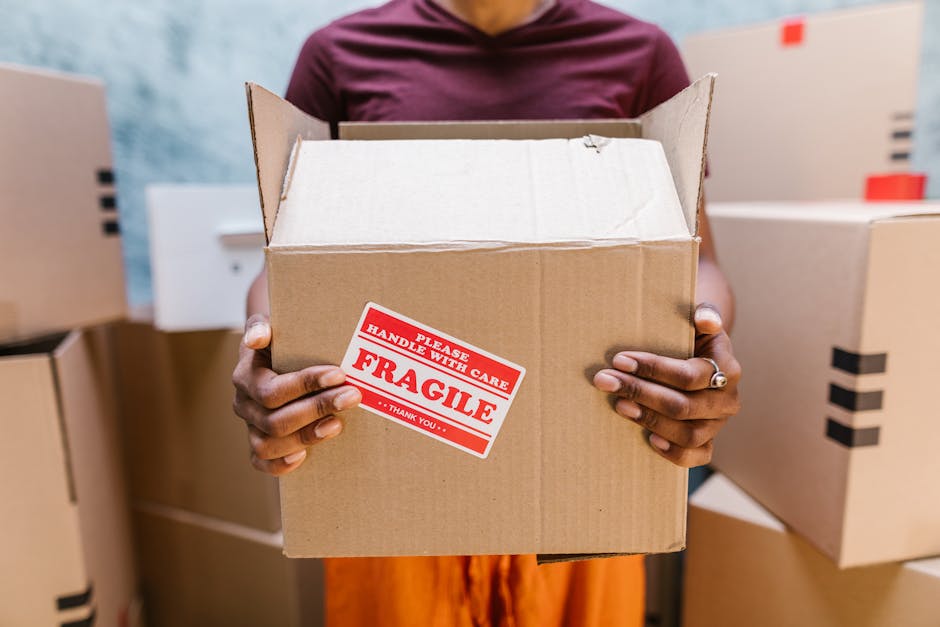
Common packing mistakes Holland Park removals clients make

Packing looks simple right up until the boxes start piling up in the hallway, the tape runs out, and suddenly the kettle is in with the towels because, well, it seemed like a good idea at the time. If you are preparing for a move, the common packing mistakes Holland Park removals clients make can turn a smooth relocation into a slow, frustrating day. The good news? Most of these issues are easy to avoid once you know what to look for.
This guide breaks down the packing errors that cause the most stress, damage, delays, and extra lifting on moving day. It also explains how to pack in a way that protects your belongings, saves time, and makes life easier for everyone involved. Whether you are moving from a flat, a family home, or a small office, a bit of planning goes a long way.
And yes, some of these mistakes are very ordinary. That is exactly why they are worth talking about.
Why packing mistakes matter
Packing mistakes are not just annoying. They are one of the main reasons a move feels heavier, slower, and more expensive than expected. A badly packed box can burst at the bottom. A loosely wrapped lamp can chip in transit. An unlabeled box can waste ten minutes when you are tired and trying to find the kettle, the plug adaptors, or your child's school uniform. Ten minutes becomes twenty. Then the day feels off.
In a busy area like Holland Park, where many moves involve flats, tight stairways, loading restrictions, and limited parking, poor packing has an even bigger effect. Boxes that are too large or too heavy are harder to carry through narrow hallways. Overfilled bags snag on corners. Fragile items with no padding become a risk for everyone handling them. It all adds up.
From a removals point of view, good packing helps the move happen in a cleaner, safer rhythm. It reduces the chance of breakage and makes loading more efficient. That can matter whether you are using a full house removals service, a flat removals service, or a smaller man and van move.
Expert summary: The best packing job is not the fanciest one. It is the one that makes your move easier to carry, easier to load, and easier to unpack without panic.
How packing should work
Good packing follows a simple logic: group similar items together, protect breakables, keep box weights manageable, and label everything clearly. In practice, that means packing room by room, using the right materials, and thinking ahead about what you will need first at the new place.
There is also a physical side to it. Boxes do not just need to look neat; they need to survive stacking, lifting, and shifting during transport. If a box feels soft when you press down on the top, it is probably not ready for a moving van. If you can hear items rattling inside, there is usually not enough cushioning. If you cannot lift it safely, it is too heavy. Simple as that.
People often ask whether the packing style should change depending on the move. The answer is yes, a bit. A student move, a family move, and an office relocation all need different levels of detail. You might not need archive-style labelling for a one-bedroom flat, but you still need a system that works. If you are dealing with a larger business relocation, office removals and commercial moves usually need more structure than a typical home move.
Truth be told, most packing errors happen because people rush the last 20 percent. They pack the easy things well, then throw the odd bits in wherever they fit. That is where the trouble starts.
Key benefits and practical advantages
Packing properly brings benefits that are immediate and very concrete. You feel them on moving day, and you feel them again when you unpack.
- Less breakage: The right padding and box sizes reduce damage to glassware, electronics, artwork, and kitchen items.
- Faster loading: Well-packed boxes are easier to stack and move, which helps the team work efficiently.
- Safer lifting: Balanced boxes are less likely to strain backs, wrists, and shoulders.
- Less stress: Clear labels and room-based packing make unpacking less chaotic.
- Fewer delays: You spend less time sorting loose items at the last minute.
- Better use of storage: If your move includes temporary holding, neatly packed items fit better into storage.
There is also a budgeting angle. When packing is efficient, you are less likely to need extra boxes, last-minute supplies, or emergency repacking. For people comparing move options, it can be useful to look at pricing and quotes early, then use that window to prepare properly rather than scrambling at the end.
And one small but real advantage: a tidy move simply feels better. The first box you open at the new place should not be an archaeological dig.
Who this is for and when it makes sense
This advice is useful for almost anyone moving house, but it is especially relevant if you are doing any of the following:
- moving from a flat with stairs, shared access, or tight entry points
- packing for a family home with mixed room contents
- relocating a small office or workspace
- moving at short notice and trying to stay organised
- placing items into storage before or after the move
- handling awkward or fragile belongings like lamps, mirrors, or instruments
If you are a student moving out of halls or a shared house, the risks are different but still real. You may have fewer possessions, but more loose items, cables, chargers, books, and kitchen bits than you think. Student removals often become messy simply because people underestimate volume.
If you are moving a few key items only, then a smaller service such as removal van support or man with van help may suit the job. Even then, the packing still matters. Small move, same rules. Maybe even more so, because there is less room to hide a bad box.
For bigger or specialist jobs, you may want support from removal services or packing and unpacking services if you would rather reduce the workload and keep things consistent.
Step-by-step guidance
Here is a sensible packing process that works for most domestic moves and many smaller commercial jobs.
- Start with the least-used rooms. Loft items, guest-room items, seasonal clothes, and spare linen can go first.
- Sort before you pack. Donate, recycle, sell, or dispose of items you no longer want. Do not pay to move clutter.
- Pack one room at a time. This keeps the process controlled and helps with labelling later.
- Use the right box size. Heavy items belong in smaller boxes. Light, bulky items can go in larger ones.
- Wrap fragile items individually. Plates, glasses, frames, and ornaments need space and cushioning.
- Fill empty gaps. Loose space leads to movement, and movement leads to damage.
- Label every box clearly. Include the room, a brief contents note, and any handling instructions.
- Prepare a first-night box. Put in phone chargers, toilet roll, snacks, medication, a kettle, mugs, and basic toiletries.
- Keep essentials separate. Documents, keys, passports, and valuables should travel with you.
- Do a final sweep. Check cupboards, under beds, behind doors, and inside appliances before the team arrives.
A good rule of thumb: if you can hear it move, pack it better.
If the move involves furniture, a few items may be better handled separately rather than boxed. Services such as furniture removals or furniture pick up can be helpful when larger items need care and planning around access.
Expert tips for better results
These are the little details that often make the biggest difference.
Use weight as your first packing test
If a box feels awkward when you lift it from the floor, it will feel worse on stairs. Keep book boxes small. Do not mix books, glassware, and kitchen appliances together. That is a classic overpacking error and it is completely avoidable.
Pack by destination, not just by item type
For example, toiletries for the new bathroom can go together even if they come from different cupboards. Same with bedside essentials. This saves time after the move and cuts down on rummaging.
Protect corners and handles
People often wrap the middle of an item and forget the edges. Yet corners get knocked first. Use extra padding around table legs, picture frames, mirror corners, and lamp bases.
Keep fragile boxes honest
Write "fragile" only when it is true. Overusing the label makes it less useful. On moving day, clarity beats drama.
Use wardrobe bags or hanging protection where sensible
Some clothing moves better hung than folded, especially if you want to avoid creases. This is not always necessary, but for workwear or occasion clothing it can save a lot of ironing later. Nobody wants to unpack into a mini laundry crisis at 9pm.
Think about access as much as packing
In Holland Park, the route from flat to vehicle may involve narrow entrances, shared hallways, or limited waiting space. If your items are boxed in sensible sizes, the move becomes smoother through every stage. Packing is not only about what is inside the box. It is about what happens when the box leaves your hands.
For a move involving stairs, awkward access, or a particularly full property, a team using a proper moving truck or removal truck hire can still work efficiently, but only if the packing allows it.
Common mistakes to avoid
This is the heart of it. These are the packing habits that cause the most trouble for moving clients.
1. Using boxes that are too large
Huge boxes look convenient, but they tempt people to overfill them. That makes them heavy, unstable, and more likely to split. Large boxes should be for light items like cushions, bedding, or soft toys. Not books. Never books, if you can help it.
2. Not using enough padding
Old newspaper, towels, and clothing can help, but they need to be used properly. A mug rattling inside a box with one tea towel wrapped around it is not protected. It is just delayed damage.
3. Packing too late
The final evening before a move is not the time to start sorting cupboards. People then throw things in at speed, forget labels, and miss essentials. Late packing is one of the fastest ways to create moving-day stress.
4. Mixing room contents
When kitchen items, paperwork, toys, and random cables end up in the same box, unpacking becomes a treasure hunt. It also makes it hard for movers to place boxes in the right rooms. Room-based packing saves a lot of time.
5. Leaving empty space in boxes
Loose gaps allow items to shift and knock into each other. Fill spaces with packing paper, soft clothing, or other suitable cushioning. A packed box should feel secure, not hollow.
6. Forgetting to label sides, not just tops
Boxes are stacked. Sometimes the top is not visible. Label at least one side clearly, and if possible add room names on more than one face. A tiny bit of effort here pays off later.
7. Packing valuables or important documents without a separate plan
Passports, contracts, chargers, and small valuables should usually travel with you. Do not bury them in a box and hope for the best. Hope is not a system.
8. Ignoring weight distribution
Putting all the heavy items on one side of a box makes it awkward to carry and more likely to fail. Aim for balance. This is simple, but people miss it all the time.
9. Forgetting special items
Pianos, artwork, delicate electronics, and bulky furniture often need a different approach. For example, piano removals should be planned around specialist handling rather than treated like standard boxed goods.
10. Using poor-quality tape
Cheap tape can peel, stretch, or fail under weight. If a box is worth moving, it is worth sealing properly.
To be fair, most people only make two or three of these mistakes. But if those two or three happen to be on the same day, the whole move can feel ten times harder.
Tools, resources and recommendations
You do not need a warehouse full of supplies, but the right basics will save you time and grief.
- Strong cardboard boxes: Use a variety of sizes, but keep heavy items in smaller boxes.
- Packing paper or clean wrap: Helpful for filling gaps and wrapping fragile items.
- Bubble wrap or similar protective material: Useful for breakables and awkward shapes.
- Good packing tape: Use enough to reinforce the base and top of each box.
- Marker pens or labels: Make room names and contents easy to read at a glance.
- Scissors or a box cutter: Keep them in your personal bag, not buried in a sealed box.
- Re-usable crates or garment carriers: Handy for certain clothing and office items.
If you prefer a simpler route, some clients choose professional support for the packing itself, then use a move-only service on the day. That can work especially well for busy families, people with limited time, or anyone who just does not want to spend three evenings surrounded by tape and labels. Understandable, honestly.
You may also want to review packing and boxes options if you need materials before the move, or consider packing and unpacking services if you want a more hands-off approach.
Law, compliance, standards, or best practice
For most household moves, there is no complicated legal framework around how you pack a box. Still, there are important UK best-practice points worth keeping in mind.
First, movers and clients both benefit from safe lifting and sensible handling. Boxes that are too heavy or badly sealed create avoidable manual-handling risks. That matters in any environment, particularly where stairs, tight turns, and shared entrances are involved.
Second, if you are moving items connected with business records, confidential papers, or customer data, treat those materials carefully. Good packing is not just about protection from bumps. It is also about privacy and control. A locked or clearly managed box system is usually better than a pile of unlabelled folders on the floor.
Third, if you are disposing of packing waste, make sure it is sorted responsibly. Re-use what you can, flatten cartons, and recycle where appropriate. A move creates a surprising amount of cardboard, and it is easy for that to become a mess if nobody takes charge. The company's approach to recycling and sustainability may also matter to clients who want a more responsible move overall.
It is also sensible to read the provider's policies before booking, including terms and conditions, insurance and safety, and health and safety policy. That helps you understand what is covered, what is expected, and how items should be prepared. No drama, just good housekeeping.
Options, methods, or comparison table
There is more than one way to pack for a move. The right method depends on time, budget, item type, and how much control you want.
| Method | Best for | Pros | Trade-offs |
|---|---|---|---|
| DIY packing | Smaller moves, budget-conscious clients | Low upfront cost, full control | Time-consuming, more risk of packing errors |
| Hybrid packing | Busy households, mixed-size moves | Combines self-packing with help for fragile or bulky items | Needs planning and clear labelling |
| Professional packing support | Large homes, offices, short timelines | Efficient, structured, less stress | Higher cost than DIY |
| Pack-and-store approach | Moves with delays or temporary gaps | Useful when belongings need to go into storage first | Requires durable packaging and inventory control |
If you are comparing options, think less about what sounds cheapest and more about what will be easiest on the actual moving day. A rushed DIY pack can end up costing you time, energy, and sometimes damage. A smoother method often pays for itself in peace of mind.
Case study or real-world example
Here is a typical situation we see quite often. A couple moving from a Holland Park flat spend most of the week doing the obvious things well: clothes in boxes, books sorted, kitchen items wrapped. Then the last day arrives. The remaining items are the awkward ones: half-used toiletries, loose cables, candles, documents, cosmetics, a few bottles, some tools, and odds and ends from drawers. Everything gets tipped into whichever box is nearest.
On the morning of the move, those final boxes are the ones that cause problems. One is too heavy because it hides books and glass jars. Another has no room label. A third has a chipped ornament because there was no padding left. Nothing catastrophic, but enough to slow the process down and leave the client feeling frazzled.
Now compare that with a more controlled approach. The couple keeps a dedicated "miscellaneous" tray in the week before moving, then sorts it each evening. They create one clearly labelled essentials box, one fragile box, and one last-minute box for toiletries and chargers. The result is calmer. The movers can place items quickly. Unpacking is less messy. It sounds small, but it changes the whole tone of the day.
That is the thing about packing. The difference between a stressful move and a manageable one is often a handful of choices made before the van even arrives.
Practical checklist
Use this checklist in the final 48 hours before moving day.
- All boxes are sealed with strong tape
- Heavy items are in small boxes
- Fragile items are individually wrapped
- Each box is labelled with room and contents
- An essentials box is packed and kept separate
- Valuables and documents are set aside for personal transport
- No box feels unstable, overfilled, or soft at the base
- Furniture parts, screws, and fittings are bagged and labelled
- Loose cables and chargers are grouped together
- Recycling and disposal items have been sorted out
- Hallways and access routes are left clear
- The move plan is confirmed with your chosen team
If you are using a smaller vehicle or a more compact service, it helps to double-check dimensions and access in advance. A good match between packing style and vehicle type keeps the day running properly, whether you are arranging a man with a van job or something larger.
Get a free quote today and see how much you can save.
Conclusion
Most packing mistakes are not caused by bad intentions. They happen because people are tired, busy, and trying to make everything fit into too little time. That is normal. But it also means the fix is usually straightforward: start earlier, pack more deliberately, and treat weight, protection, and labelling as part of the move itself rather than an afterthought.
If you avoid the most common packing mistakes Holland Park removals clients make, you will usually have a calmer moving day, fewer damaged items, and far less unpacking regret. That is the real win. Not perfection. Just a move that feels under control.
And if you are still in the planning stage, it can help to learn more about the team behind the move through about us or get in touch via the site when you are ready. A well-organised move is rarely glamorous, but it is deeply satisfying when it all clicks into place. One box at a time, you will get there.
Frequently Asked Questions
What are the most common packing mistakes people make before a move?
The biggest mistakes are overpacking boxes, under-protecting fragile items, leaving packing until the last minute, mixing items from different rooms, and failing to label boxes clearly. Those five alone cause a lot of avoidable stress.
How early should I start packing for a house move?
As early as you realistically can. For many moves, a phased approach over one to three weeks works well. Start with storage spaces, seasonal items, and rooms you use least, then move toward daily essentials.
Is it better to use lots of big boxes or lots of small boxes?
A mix is best, but small boxes are usually safer for heavy items like books, tools, and kitchenware. Large boxes are better for light, bulky items such as bedding and cushions.
How do I pack fragile items safely?
Wrap each fragile item individually, fill any gaps inside the box, and make sure the contents cannot shift. Use small or medium boxes so the weight stays manageable. If a box rattles, it probably needs more cushioning.
Should I label boxes by room or by item type?
Room labels are usually the most helpful on moving day because they tell movers where each box should go. You can add a short contents note as well, which makes unpacking easier later.
What should go in an essentials box?
Keep the first-night items separate: phone chargers, toiletries, toilet roll, mugs, tea or coffee, a kettle if needed, medication, basic tools, pet supplies, and a change of clothes. Keep this box with you or make it easy to access.
Can I use clothes or towels as packing material?
Yes, in some cases. Soft items can help protect breakables or fill gaps. Just do not rely on them alone for delicate items. A mug wrapped in a T-shirt is not always enough protection by itself.
Do I need professional packing help for a flat move?
Not always. Many people handle flat packing themselves. But if you have limited time, fragile items, awkward access, or a lot of belongings, professional packing and unpacking services can save a lot of effort.
How do packing mistakes affect moving day costs?
Poor packing can slow the team down, increase the risk of breakage, and create extra time spent sorting or repacking. Even if the cost impact is not obvious immediately, the overall move can become more expensive in practical terms.
What is the best way to pack books?
Use small boxes and keep them only partly filled if needed. Books become very heavy very quickly, and a full large box can be awkward and unsafe to lift. This is one of the most common overpacking errors.
What if I need to put belongings into storage first?
Use sturdy boxes, good sealing, and clear labelling, and keep an inventory if possible. Items going into storage may sit for longer, so the packing needs to be durable rather than just neat.
Are there any packing rules I should check before moving?
It is wise to review the mover's terms, safety guidance, and insurance information so you know what preparation is expected. If you are using a removal firm, policies such as insurance and safety and terms and conditions help set clear expectations.